
From Sourav to Hafeez, Two Nations Applaud Samson Despite Indo-Pak Tensions
97 Repoter: Mohammed Afzal
Publish: 1 hour ago Update: 1 second ago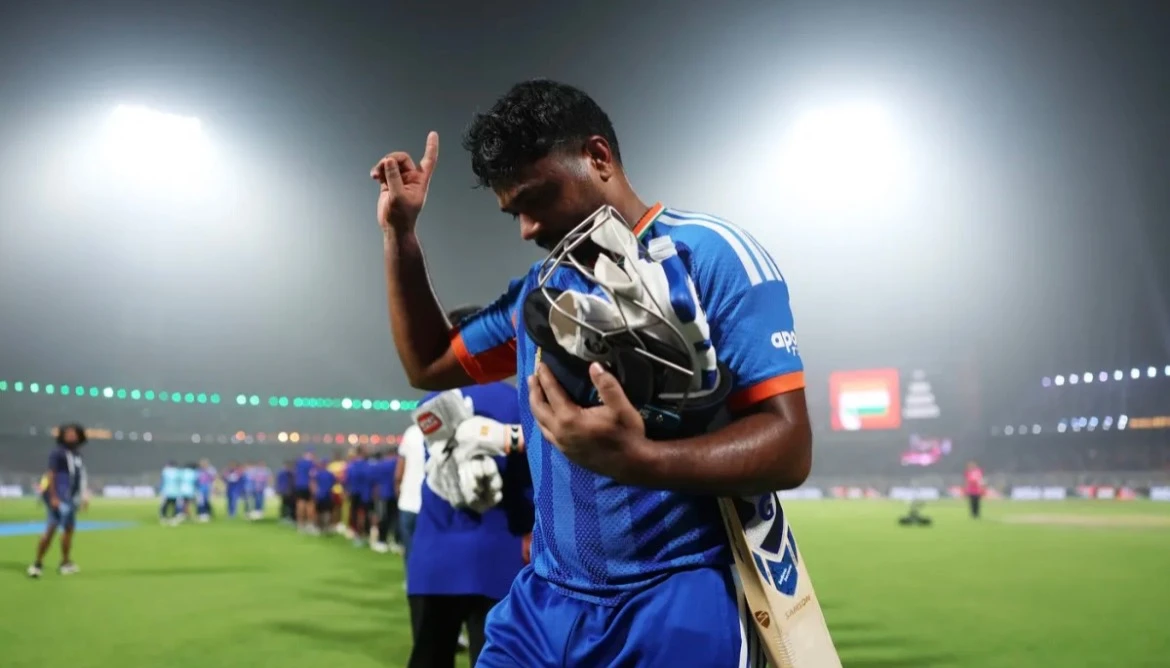
From Sourav to Hafeez, Two Nations Applaud Samson Despite Indo-Pak Tensions
From Sourav to Hafeez, Two Nations Applaud Samson Despite Indo-Pak Tensions
In the subcontinent, an India–Pakistan clash is always a mix of emotion, history, and invisible pressure. Cricket here is not just a sport; the long-standing political tensions between the two nations often cast a shadow over the field. In that reality, open praise from former stars of the rival country is rare. But in a high-pressure match in Kolkata, Sanju Samson guided India to victory with an unbeaten 97 off 50 balls. His innings—blending aggression with composure during the chase—quickly became the center of attention.
Former India captain Sourav Ganguly was naturally impressed. He said, “Outstanding. He is a very good player. He should be playing regularly for India in white-ball cricket.”
Ganguly also highlighted Samson’s understanding of the situation: “Everyone knows that when he walks in, he will hurt the opposition. He played according to the situation, which is very important.”
Praise from a legend of his own country was expected. However, the discussion gained another dimension with comments from two former Pakistani cricketers.
Former batsman Basit Ali saw in Samson the qualities of a great chaser. He said, “In his batting, you can see a bit of Virat Kohli—how to score against different bowlers—and he also has the power.”
He added more clearly, “The way Sanju was batting, I was thinking, ‘This boy is a chase master.’ We usually say that about Virat Kohli. But today, Kohli wasn’t even there.”
Meanwhile, former Pakistan captain Mohammad Hafeez emphasized Samson’s mentality: “Sanju never tried to play for a personal milestone… For him, winning the match was above everything.”
He further said, “At first, he was aggressive. Then perhaps he received a message, or maybe he decided himself to take responsibility… The greatest achievement for a player is to win matches for the country.”
In the intense atmosphere of an India–Pakistan rivalry, such remarks go beyond formal courtesy. When a performance compels even rivals to offer praise, it becomes special. That innings was not just about the scoreline; it was a display that earned recognition on both sides of the border.