
Protest over Bangladeshs World Cup exit, Afridi demands justice
97 Repoter: Nazifa Tasnim
Publish: 8 months ago Update: 1 second ago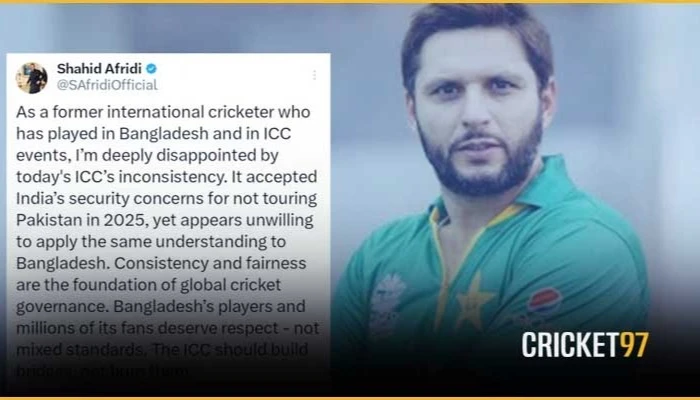
Protest over Bangladeshs World Cup exit, Afridi demands justice
Protest over Bangladeshs World Cup exit, Afridi demands justice
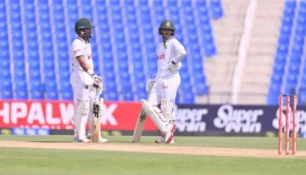
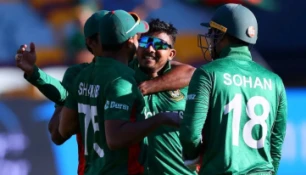
At a stage where the stories of cricket are usually written, an uncomfortable chapter has been added this time. After extreme drama, uncertainty, and prolonged tension, Bangladesh have finally withdrawn from the T20 World Cup. In their place, Scotland have been invited to the group stage—an incident being viewed as extremely rare in international cricket.
Following the exclusion of Mustafizur Rahman from the IPL, Bangladesh refused to play the World Cup on Indian soil. Despite a series of meetings, discussions, and exchanges of letters, no resolution was reached. Eventually, the situation reached a point where the Bangladesh Cricket Board decided to withdraw from the World Cup. As a result, Scotland secured a place in the tournament in Bangladesh’s stead.
The decision has sparked strong reactions across the cricketing world. Not only in Bangladesh, but former cricketers from neighboring Pakistan have also spoken out publicly on the issue. Former World Cup–winning Pakistan captain Shahid Afridi has openly demanded justice for Bangladesh.
Reacting on his verified X (formerly Twitter) account, Shahid Afridi wrote,
‘As a former international cricketer who has played in Bangladesh and in various ICC events, I am deeply disappointed today by this inconsistent decision of the ICC. The ICC accepted India’s security excuse for not going to Pakistan in 2025, yet they seem unwilling to understand the same issue in Bangladesh’s case.’
Highlighting the ethical dimension of the ICC’s decision, Afridi criticized it in even stronger terms. In his statement, he said,
‘Consistency and fairness are the foundations of global cricket governance. Bangladesh’s players and their millions of fans deserve respect, not double standards. The ICC should build bridges, not break them.’
Bangladesh’s withdrawal from the World Cup, therefore, is not merely the cancellation of one team’s participation. Rather, it has raised serious questions about the ICC’s decision-making process and policy stance. Despite Bangladesh’s cricketing strength, vast fan base, and long-standing history, this outcome has sparked fresh debate in international cricket politics.